
Navigating the world of bedding can often be confusing, with various terms like "quilt cover," "duvet cover," and "doona cover" used interchangeably. Despite the different names, they generally refer to the same item: a protective, often decorative, cover for a duvet or quilt.
Quilt, Duvet, and Doona: What's the Difference?
Understanding the differences between these bedding terms can help you make informed decisions when choosing the right option for your needs. Before diving into quilt covers, it's useful to clarify the differences between quilts, duvets, and doonas. While these terms are sometimes used interchangeably, they do have subtle distinctions:
- Quilt: In some places, a quilt refers to a bedspread made of three layers: a woven top, a layer of batting, and a woven back, all stitched together.
- Duvet: In the U.S. and Europe, a duvet usually refers to a quilted blanket filled with feathers, down, or wool, giving it a plush look.
- Doona: Commonly used in Australia, a doona is similar to a duvet. It's also filled with feathers or synthetic materials. The term "Doona" is actually trademarked by The Tontine Group in Australia.
Despite these differences, all three refer to an insert that goes inside a cover, serving as the top layer of bedding.
What is a Quilt Cover?
A quilt cover is an essential part of your bedding setup, designed to protect and decorate your duvet or quilt. A quilt cover, also known as a duvet or doona cover, is a removable fabric casing that protects and decorates your duvet or quilt. Unlike traditional bedspreads that cover only part of the bed, a quilt cover completely encases the duvet, making it easy to remove and wash.
Benefits of Using a Quilt Cover
Using a quilt cover comes with several benefits, ranging from protection and hygiene to style and versatility. Using a quilt cover has several practical and aesthetic advantages:
- Protection: A quilt cover acts as a barrier, protecting your duvet from dirt, sweat, and daily wear and tear. This helps prolong the life of your duvet and keeps it cleaner for longer. It also helps keep dust mites away, which is great for those with allergies.
- Hygiene: Quilt covers are much easier to wash than bulky duvets. You can easily throw them in with your regular laundry, ensuring a clean sleep environment.
- Style and Versatility: Quilt covers offer a great way to refresh your bedroom's look without buying a new duvet. With a wide range of designs, colours, and textures, you can update your room's decor simply by changing the cover.
- Seasonal Flexibility: In warmer months, you can use just the quilt cover as a lightweight blanket. In colder seasons, pair it with a duvet for extra warmth.
How to Choose the Right Quilt Cover
Choosing the right quilt cover involves considering factors such as material, size, design, and cost to ensure it suits your preferences and needs. Selecting the ideal quilt cover involves considering several factors:
Material
Quilt covers come in various materials, each offering different benefits:
- Cotton: Soft, breathable, and durable, cotton is a popular choice that becomes softer with each wash.
- Silk: Luxurious and hypoallergenic, silk offers excellent temperature regulation but requires gentle care.
- Wool: Wool is a great insulator, ideal for colder climates, and is naturally moisture-wicking and odour-resistant.
- Linen: Linen is known for its durability and unique texture, and it softens with every wash.
Right Quilt Cover Size in Malaysia
It's important to choose the right size to fit both your duvet and bed. AKEMI Malaysia offers the following quilt cover sizes:
- Super Single: 140 cm x 210 cm
- Queen: 210 cm x 210 cm
- King: 247 cm x 210 cm
- Super King: 260 cm x 230 cm
Design and Style
With countless patterns, colours, and textures available, consider your personal style and existing bedroom decor when selecting a design.
How to Put on a Quilt Cover
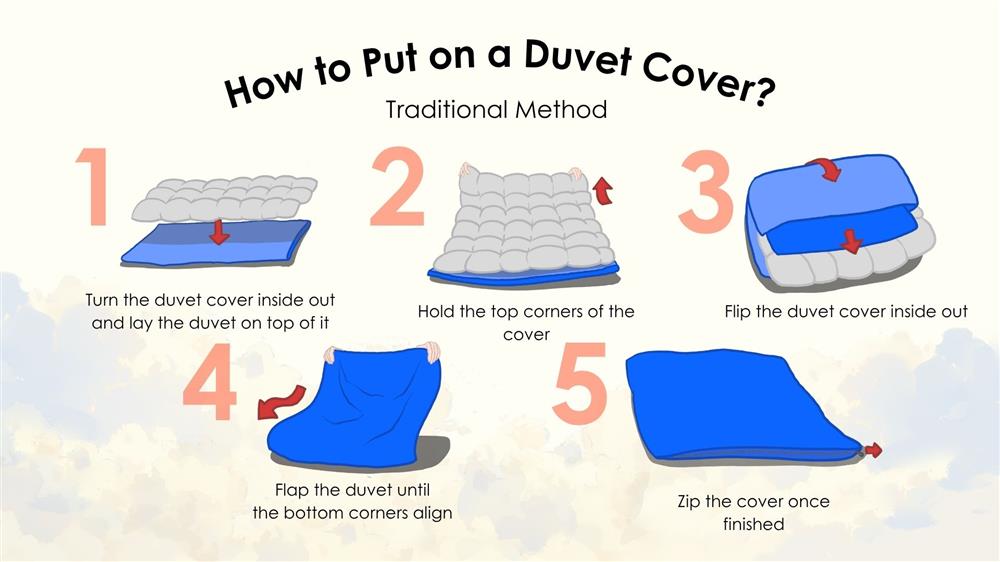
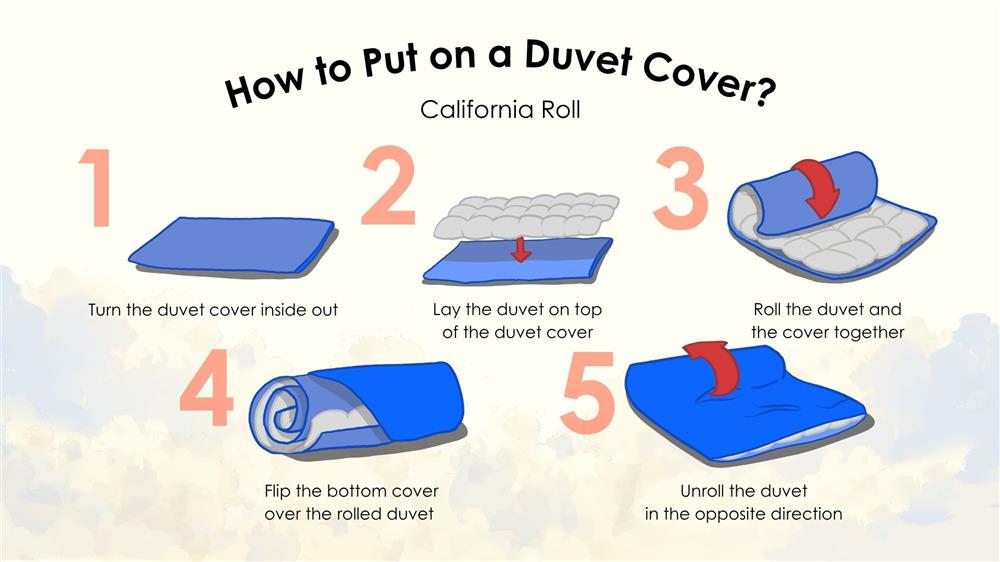
Putting on a quilt cover can be challenging, but with the right method, it becomes a simple task. There are a couple of popular methods for putting on a quilt cover:
The Traditional Method
The "California Roll" Method
Conclusion
A quilt cover, whether called a duvet or doona cover, is an essential element of bedding that offers both practical benefits and a chance to enhance your bedroom decor. By understanding the different types, materials, and sizes available, you can choose the perfect quilt cover to improve your sleep quality and refresh your space.
For high-quality quilt covers and quilt cover sets, be sure to check out AKEMI's quilt covers and quilt cover sets to find the perfect fit for your bedroom.
FAQs
What is the middle layer in modern quilts?
The middle layer, also called batting, adds warmth and density to quilts, making them a popular type of bedding.
What materials are used in quilt covers?
Quilt covers are often made from all kinds of materials, such as cotton blends, synthetic fabrics, or Egyptian cotton, providing different levels of warmth based on sleep preferences.
What is the difference between a quilt cover and a comforter?
A quilt cover is a removable layer of fabric, while a comforter is one piece of bedding that is a quilted non-removable cover.
Are quilt covers suitable for all weather conditions?
Yes, depending on the fabric, quilt covers can be used in cold weather with synthetic fibers for insulation or with lightweight fabrics like cotton blends for warmer climates.