
A good pillow is essential for a comfortable and restful sleep. It provides the necessary support and cushioning for the head and neck, promoting proper spinal alignment. In recent years, memory foam pillows have become increasingly popular due to their unique features and benefits compared to traditional pillows.
These pillows offer notable advantages that make them an appealing choice for many seeking improved sleep quality.
What is Memory Foam?
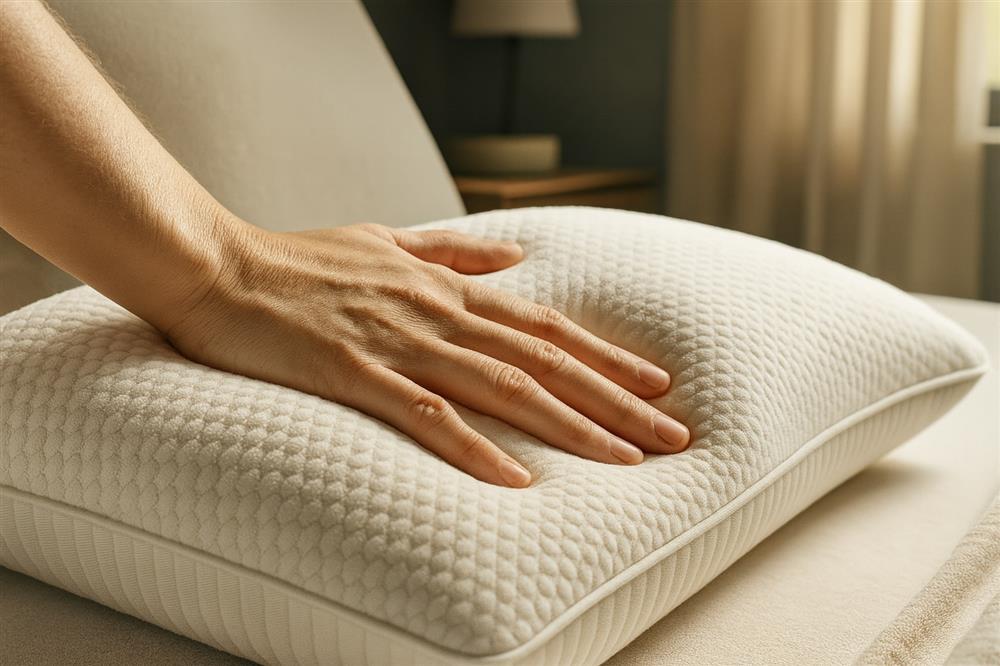
Memory foam is a type of material that responds to pressure by slowly conforming to the shape of the applied object, then gradually returns to its original form once the pressure is removed—a feature known as viscoelasticity. This property makes memory foam ideal for providing head and neck support in pillows.
There are several types of memory foam commonly used in pillows:
- Traditional Memory Foam: This type, introduced in 1992, is dense with a closed-cell structure. While it provides good insulation, it may retain heat, making it less ideal for those who sleep hot.
- Open-Cell Memory Foam: This foam type has air pockets throughout its structure, allowing for improved airflow and breathability, resulting in a cooler sleep experience.
- Gel-Infused Memory Foam: Gel particles are incorporated into the foam to further enhance breathability and dissipate heat, providing a cooler sleep surface compared to traditional foam.
Benefits of Memory Foam Pillows
Memory foam pillows have many advantages over traditional pillows, which has led to their widespread popularity:
Head and Neck Support
Memory foam's viscoelastic nature allows it to contour to the shape of your head and neck, offering customised support. This helps reduce pressure points and is beneficial for side sleepers who need extra alignment.
Spinal Alignment
Proper spinal alignment is crucial for preventing neck and back pain. Memory foam pillows maintain their shape, supporting the natural curvature of the neck and promoting a neutral spinal position, which leads to deeper, more relaxing sleep.
Pressure Relief
Memory foam's ability to evenly distribute weight across its surface reduces pressure points, particularly in the head, neck, and shoulders. This can help minimise discomfort and pain during sleep.
Hypoallergenic
The dense structure of memory foam naturally resists the accumulation of allergens like dust mites and bacteria, making it a good option for individuals with allergies or asthma.
Snoring Reduction
Memory foam pillows can help reduce snoring by keeping the head and neck properly aligned, ensuring an open airway – a key benefit for back sleepers.
Durability
Memory foam pillows are known for their longevity and ability to maintain their shape over time, making them a worthwhile investment compared to traditional pillows that often lose support.
Choosing the Right Memory Foam Pillow
Choosing the right memory foam pillow depends on your personal preferences and needs. Here are some key considerations:
- Sleeping Position: Side sleepers typically need a firmer, thicker pillow for better head and neck support, while back sleepers benefit from a medium loft that maintains the neck's natural curve. Stomach sleepers should use a thin, soft pillow to minimise neck strain.
- Loft and Firmness: Finding the right balance between loft (height) and firmness is essential for a supportive sleep experience. The ideal combination often depends on your body type and sleeping position.
- Additional Features: Many memory foam pillows come with additional features, such as cooling gel for temperature regulation, adjustable loft to customise height, and removable, washable covers for easier maintenance.
Conclusion
Memory foam pillows combine support, comfort, and health benefits in a way that enhances sleep quality. By adapting to the shape of your body, they provide pressure relief, promote proper spinal alignment, and can reduce snoring. They are also hypoallergenic, making them a great choice for allergy sufferers.
Ready to experience the comfort and support of memory foam pillows? Check out AKEMI's memory foam pillows for a range of options designed to improve your sleep quality.
FAQ
1. What are the types of pillows for neck pain?
Memory foam and shredded foam pillows are great pillows for neck pain, as they conform to the cervical spine and provide proper neck support, helping reduce pain while sleeping.
2. Do memory foam pillows retain their original shape?
Yes, memory foam pillows return to their original shape after relieving pressure. This helps maintain support for proper neck alignment throughout the night, enhancing comfort for all sleeping styles.
3. Are memory foam pillows suitable for hot sleepers?
Traditional memory foam retains heat, but gel infusion and open-cell options offer a cooler surface for hot sleepers, providing extra comfort compared to regular pillows.
4. How do I care for memory foam pillows?
Memory foam pillows are not fully machine washable. Instead, wash the pillow cover and spot-clean the foam as per care instructions to maintain its durability.