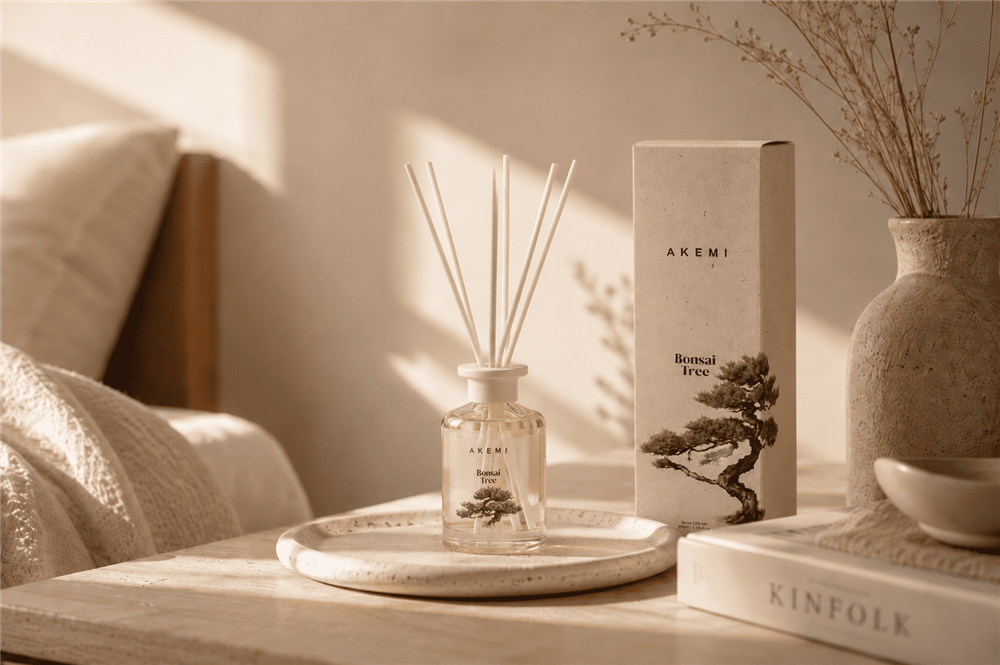
Essential oils for sleep have become a popular part of the bedtime wind-down, and for good reason. Inhaling calming plant aromas before bed can help quiet a busy mind and signal to your body that it is time to rest, which is why oils such as lavender and cedarwood appear in so many sleep blends and roll-ons.
The evidence is encouraging rather than conclusive. A review of clinical trials found that lavender, bergamot, and related essential oils could improve sleep quality and duration, though researchers stress that more rigorous studies are needed. This guide explains which oils are most useful for sleep, how to use them safely, and how to pair them with a sleep environment that helps them work.
Do Essential Oils Actually Help You Sleep?
Essential oils can support sleep mainly by promoting relaxation, not by sedating you like a sleeping pill. When you inhale an aroma, scent signals travel to the parts of the brain that influence emotion and stress, which can ease tension and make it easier to drift off. A systematic review and meta-analysis of 11 randomised trials in adults found that lavender inhalation produced a small but significant improvement in sleep quality. Even so, health authorities note that rigorous research on aromatherapy for insomnia is still limited, so oils are best treated as one calming ritual within a broader routine.
The Best Essential Oils for Sleep
Different oils suit different sleep problems, from a racing mind to restless, broken sleep. The oils below are the ones most consistently linked with rest and relaxation.
Lavender
Lavender is the most studied and most popular sleep oil. Its soft, floral aroma is associated with calmer nervous activity and eased racing thoughts, and lavender is the essential oil with the strongest evidence for sleep. It is a sensible first choice if you are new to aromatherapy.
Cedarwood
Cedarwood offers warm, woody notes that many people find grounding at the end of the day. Its calming reputation is supported by preclinical research showing that cedrol, a naturally occurring compound in cedarwood, exhibits sedative-like effects. While early findings are promising, further clinical research is needed to confirm its effects on human sleep.
Bergamot
Bergamot is an uplifting citrus oil that, unusually for citrus, helps melt away stress rather than energise. It is best diffused earlier in the evening to unwind after a demanding day, and it blends well with lavender for a rounded bedtime scent.
Chamomile
Roman chamomile is a gentle, herbaceous oil that softens emotional tension and eases anxiety. Its mild, apple-like aroma makes it a soothing choice for people whose sleep is disturbed by worry or overthinking.
Vetiver
Vetiver is a deep, earthy oil often used to ground an overactive mind. Because its aroma is strong, a single drop blended with a lighter oil such as lavender is usually enough for a restful atmosphere.
How to Use Essential Oils for Sleep
The safest and most common way to use essential oils for sleep is by inhaling them, either from a diffuser or applied to the skin after proper dilution. Choose the method that fits your routine.
In a Diffuser
Add four to six drops of oil to the water in an ultrasonic diffuser and run it for around 30 minutes before you turn in. This disperses a light, even aroma through the bedroom without applying anything to your skin, which makes it the gentlest option for beginners.
As a Roll-On or Diluted Blend
For direct contact, apply a pre-diluted blend to pulse points such as the wrists, temples, or the base of the neck. Never put undiluted oil on your skin: mix a few drops with a carrier oil like jojoba or sweet almond first, because undiluted essential oils can irritate the skin or be harmful.
In an Evening Bath
A warm bath before bed is relaxing on its own, and a little aroma enhances it. Mix three to four drops with a carrier oil before adding the blend to the water, so the oil disperses safely rather than sitting on the surface where it can irritate skin.
Safety Tips for Using Essential Oils
Essential oils are concentrated plant extracts, so a few precautions keep them safe and pleasant to use:
- Always dilute before skin contact: Combine oils with a carrier oil and consider a patch test before regular use.
- Never swallow essential oils: They are for inhaling or diluted topical use, not for ingesting.
- Take care around children, pregnant women, and pets: Some oils are not suitable in these situations, and lavender and tea tree oils may have mild hormone-like effects, so check first.
Keep the room ventilated and the diffuser clean: Diffuse for short sessions rather than all night, and follow the manufacturer’s cleaning instructions. - Speak to a doctor if you have a health condition: This is especially important for asthma, allergies, or if symptoms of poor sleep persist.
Turn a Calming Scent Into a Complete Wind-Down
An essential oil sets the mood, but the sleep environment around it decides how well you actually rest. On warm, humid Malaysian nights, breathable and comfortable bedding does as much for deep sleep as any aroma, keeping you cool and undisturbed once the diffuser has done its work.
AKEMI has been Malaysia’s No. 1 bedding brand consecutively since 2012 (based on Nielsen Research 2023), with a range designed to make a calming bedtime routine complete. Through its official TENCEL™ partnership with Lenzing, AKEMI TENCEL™ bed linen uses genuine fibres that wick moisture and support airflow, while sleep-focused innovations such as Outlast® heat-regulating pillows, SensICE cooling fabric technology, and HeiQ Viroblock hygiene treatments across its pillow collection help keep your bed cool, dry, and fresh through the night.
Pair your favourite sleep oil with AKEMI’s breathable, temperature-regulating bedding and give every part of your bedtime routine a reason to help you rest.
FAQs
Which essential oil is best for sleeping?
Lavender is generally considered the best essential oil for sleep because it has the most research behind it and a widely tolerated, calming aroma. Cedarwood, bergamot, chamomile, and vetiver are also popular, and many people find blends of these more effective than a single oil.
How do you use essential oils for sleep?
The most common method is inhaling the aroma from an ultrasonic diffuser for about 30 minutes before bed. You can also apply pre-diluted blends to pulse points or add oil mixed with a carrier to a warm evening bath. Always dilute oils before they touch your skin.
Are essential oils safe to use every night?
Inhaling well-diluted essential oils in a ventilated room is considered low risk for most healthy adults. Diffuse for short sessions rather than continuously, keep the diffuser clean, and check with a doctor if you are pregnant, have young children or pets, or live with a respiratory condition.
Can essential oils help with sleep and anxiety together?
Yes, many sleep oils are calming precisely because they ease anxiety and stress that keep you awake. Lavender, bergamot, and chamomile are often chosen for this reason, though aromatherapy works best alongside good sleep habits rather than as a standalone treatment.
Sources
- PubMed (Mini-Reviews in Medicinal Chemistry) - The Role of Essential Oils on Sleep Quality and Other Sleep-related Issues: Evidence from Clinical Trials
- National Library of Medicine - The Sleep-Enhancing Effect of Lavender Essential Oil in Adults: A Systematic Review and Meta-Analysis
- National Center for Complementary and Integrative Health - Aromatherapy
- National Center for Complementary and Integrative Health - Lavender: Usefulness and Safety
- Johns Hopkins Medicine - Aromatherapy: Do Essential Oils Really Work?
- Sleep Foundation - The Best Essential Oils for Sleep
- PubMed (Chemical Senses) - The Sedative Effects and Mechanism of Action of Cedrol Inhalation with Behavioral Pharmacological Evaluation