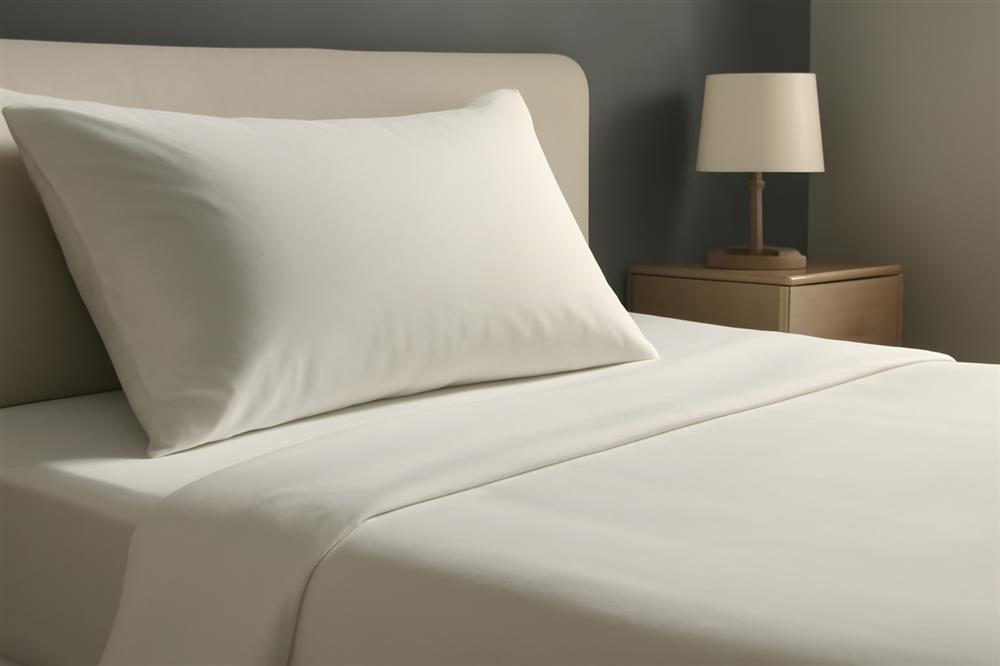
A good night’s sleep is crucial for maintaining overall well-being, and the bedding you choose plays a significant role in ensuring restful slumber. When deciding between different bed sheets, two popular choices are cotton and microfibre.
Each has its own unique benefits, and understanding their characteristics can help you make the best decision for your comfort and needs.
Cotton vs. Microfibre
| Cotton Sheets | Factor | Microfibre Sheets |
|---|---|---|
| Strong, especially high-quality cotton | Durability | Highly durable due to the tight weave |
|
Naturally hypoallergenic, gentle on the skin
|
Allergy Friendliness | Often hypoallergenic, but some may be synthetic and contain irritating chemicals |
|
Excellent breathability, ideal for hot climates
|
Temperature Regulation | Can trap heat, better for colder climates |
|
Wide range; high-quality can be expensive
|
Price | Generally more affordable |
|
Biodegradable; production can have some impact
|
Environmental Impact | Not biodegradable; concerns about pollution |
Cotton and microfibre sheets each offer unique qualities that make them appealing. Cotton is a natural, breathable fabric that's perfect for those who prioritise softness and temperature regulation. It's a sustainable choice but tends to be more expensive and wrinkle-prone.
Microfibre, on the other hand, is a synthetic material that's more affordable, highly durable, and wrinkle-resistant. However, it may trap heat and lack biodegradability, which can impact the environment.
What is Cotton?
Cotton is a natural fibre that has been used in textiles for thousands of years. It's known for its breathability, comfort, and classic feel, making it a popular choice for bed sheets.
Characteristics of Cotton Sheets
Cotton sheets come with several distinct features that make them a popular choice for a comfortable and comfy sleep experience.
- Breathable: Cotton sheets allow air to circulate, keeping you cool in the summer and warm in the winter.
- Durable: The natural fibres in cotton are strong, depending on the type of cotton, weave, and thread count.
- Thread Count: Quality cotton sheets typically range from 200 to 400 thread count, but factors like fibre quality and weave type also impact the overall quality.
Types of Cotton
There are several types of cotton, each offering unique benefits in terms of quality, softness, and durability.
- Egyptian Cotton: Renowned for its exceptionally long fibres, offering a luxurious feel and excellent durability.
- Pima Cotton: Soft and resilient, often grown in the United States, Peru, and Australia.
- Supima Cotton: Exclusive to the United States, this type is known for superior softness and strength.
- Upland Cotton: Widely produced and generally more affordable, though it has a coarser texture compared to higher-end cotton.
- Organic Cotton: Grown without synthetic chemicals, it's an eco-friendly option for those looking for a more natural choice.
Benefits of Cotton Sheets
Cotton sheets offer numerous advantages, particularly in terms of comfort and temperature regulation.
- Comfort: Cotton sheets are soft and become even softer with each wash.
- Temperature Regulation: The breathability of cotton helps regulate body temperature when it gets cold.
- Skin-Friendly: The natural fibres are gentle on the skin, ideal for those with allergies or sensitive skin.
- Sustainability: Cotton is biodegradable, making it an environmentally conscious choice.
What is Microfibre?
Microfibre is a synthetic material made from extremely fine fibres, typically polyester or nylon. It offers a smooth, silky texture and is often preferred for its durability and affordability.
Characteristics of Microfibre Sheets
Microfibre sheets have several key characteristics that make them a convenient and luxurious bedding option.
- Soft Texture: Microfibre sheets are smooth and offer a luxurious sleep experience.
- Durable: The tight weave of microfibre ensures durability, making it more resistant to wrinkles, pilling, and tears.
Benefits of Microfibre Sheets
Microfibre sheets provide many benefits, especially for those who are budget-conscious and prefer low-maintenance bedding.
- Affordability: Microfibre sheets are often more budget-friendly compared to cotton.
- Durability: These sheets are generally more resistant to wrinkles, pilling, and tears, and hold up well to frequent washing.
- Hypoallergenic: Microfibre sheets are often hypoallergenic because it is less likely to harbour dust mites and other common allergens.
- Low Maintenance: Wrinkle-resistant properties mean little to no ironing is required.
- Variety: Microfibre is available in many colours and patterns, providing flexibility in matching your bedroom decor.
Things to Keep in Mind about Microfibre Sheets
While microfibre sheets have many advantages, they also have some limitations that might not be suitable for everyone.
- Breathability: The tightly woven structure of microfibre can restrict airflow, which may lead to overheating for some sleepers.
- Static Electricity: Microfibre tends to generate static, especially after drying.
- Environmental Concerns: Being a synthetic material, microfibre is non-biodegradable, which raises concerns about microplastic pollution.
Conclusion
By understanding the pros and cons of each fabric—including comfort, breathability, maintenance, and environmental impact—you can make an informed choice that will help create a comfortable and relaxing sleep environment.
If you're looking to upgrade your bedding, be sure to explore AKEMI's collection of cotton bedding and microfibre bedding for high-quality options that suit your preferences.
FAQs
Which is softer?
Both materials can be soft, but cotton becomes softer with each wash, while microfibre offers a smooth feel from the start due to the synthetic fibres.
Which is more breathable?
Cotton sheets are generally more breathable, making them ideal for hot sleepers.
Which is more wrinkle-resistant?
Microfibre is naturally wrinkle-resistant, whereas cotton tends to wrinkle easily.
Which is more durable?
Both are durable, but microfibre is less prone to pilling and shrinking compared to lower-quality cotton.
Which is better for sensitive skin?
Cotton, being a natural fibre, is generally better for those with sensitive skin or allergies. However, do note that the level of durability is also dependent on the manufacturing process.